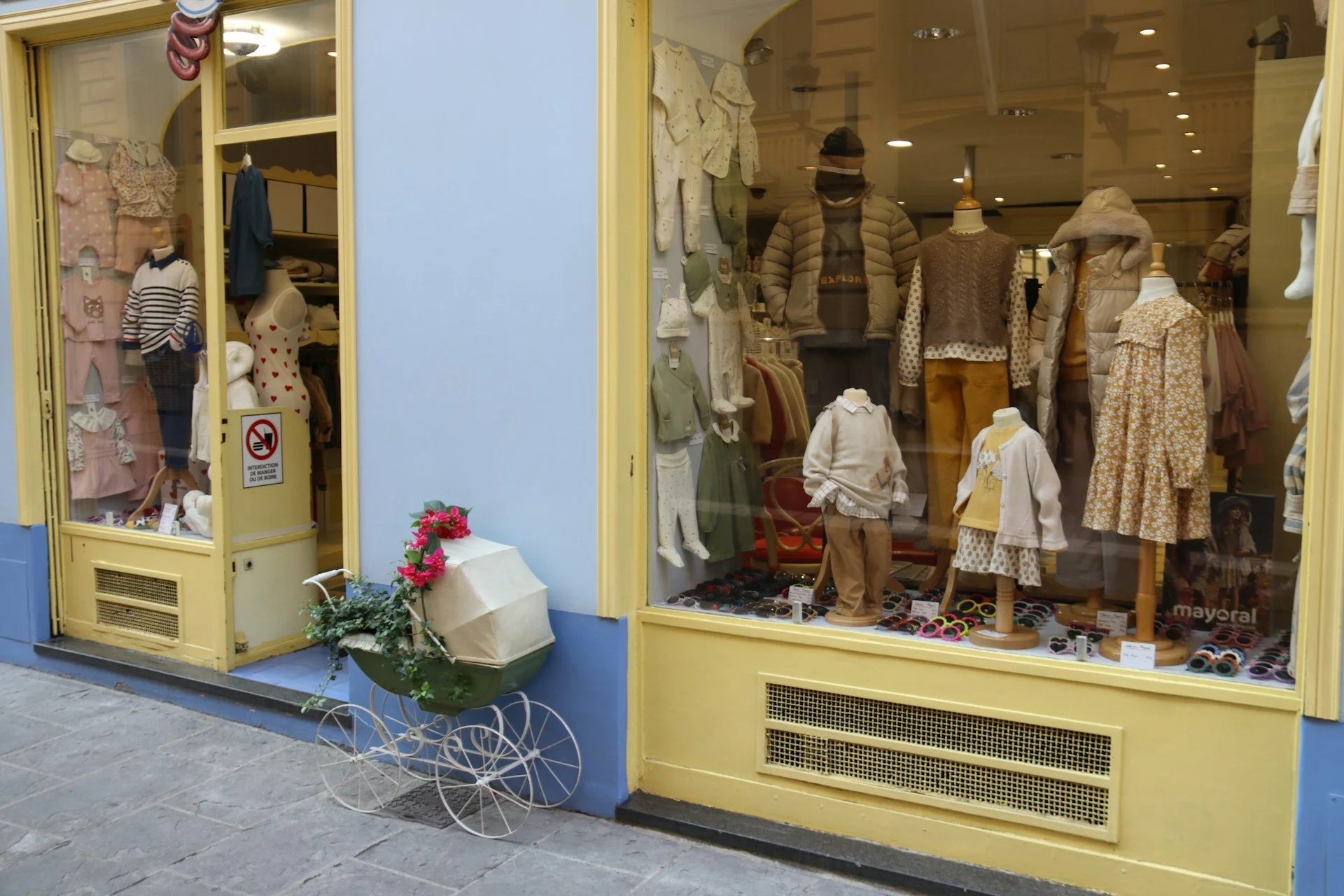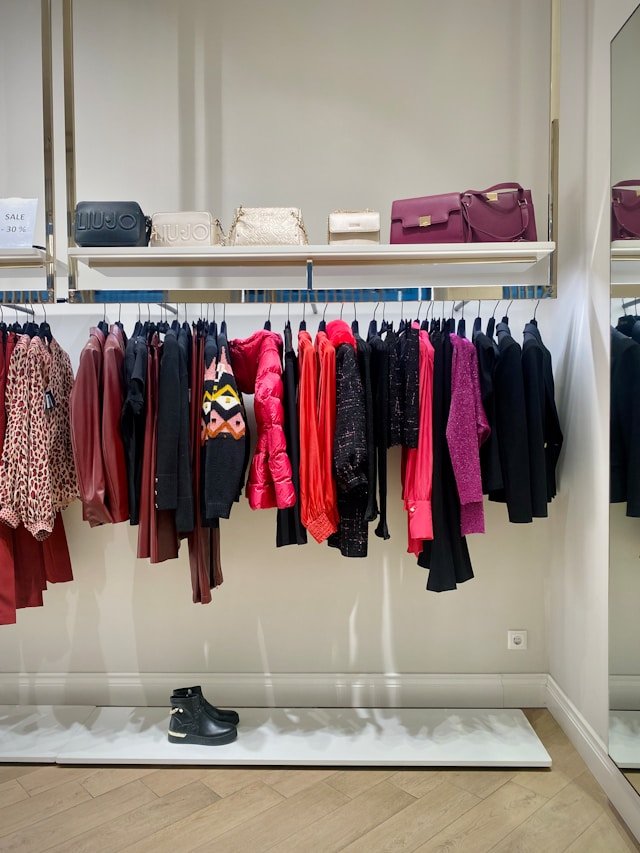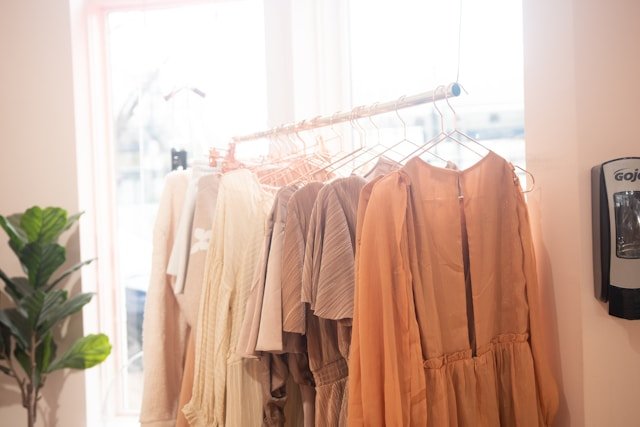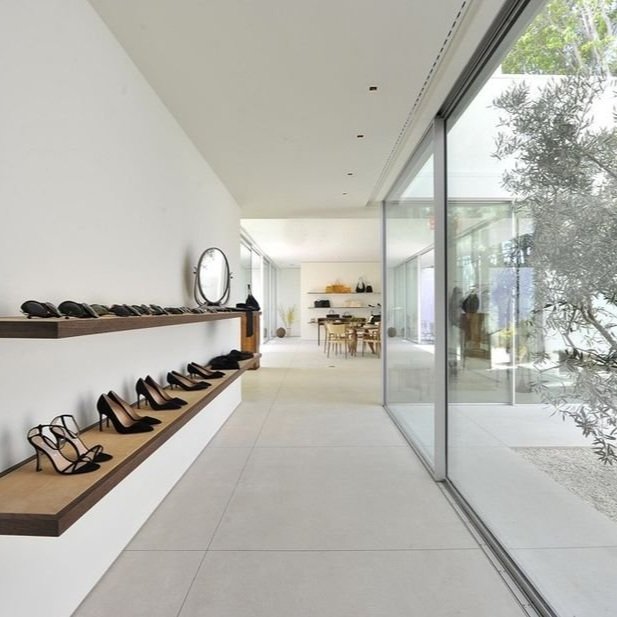
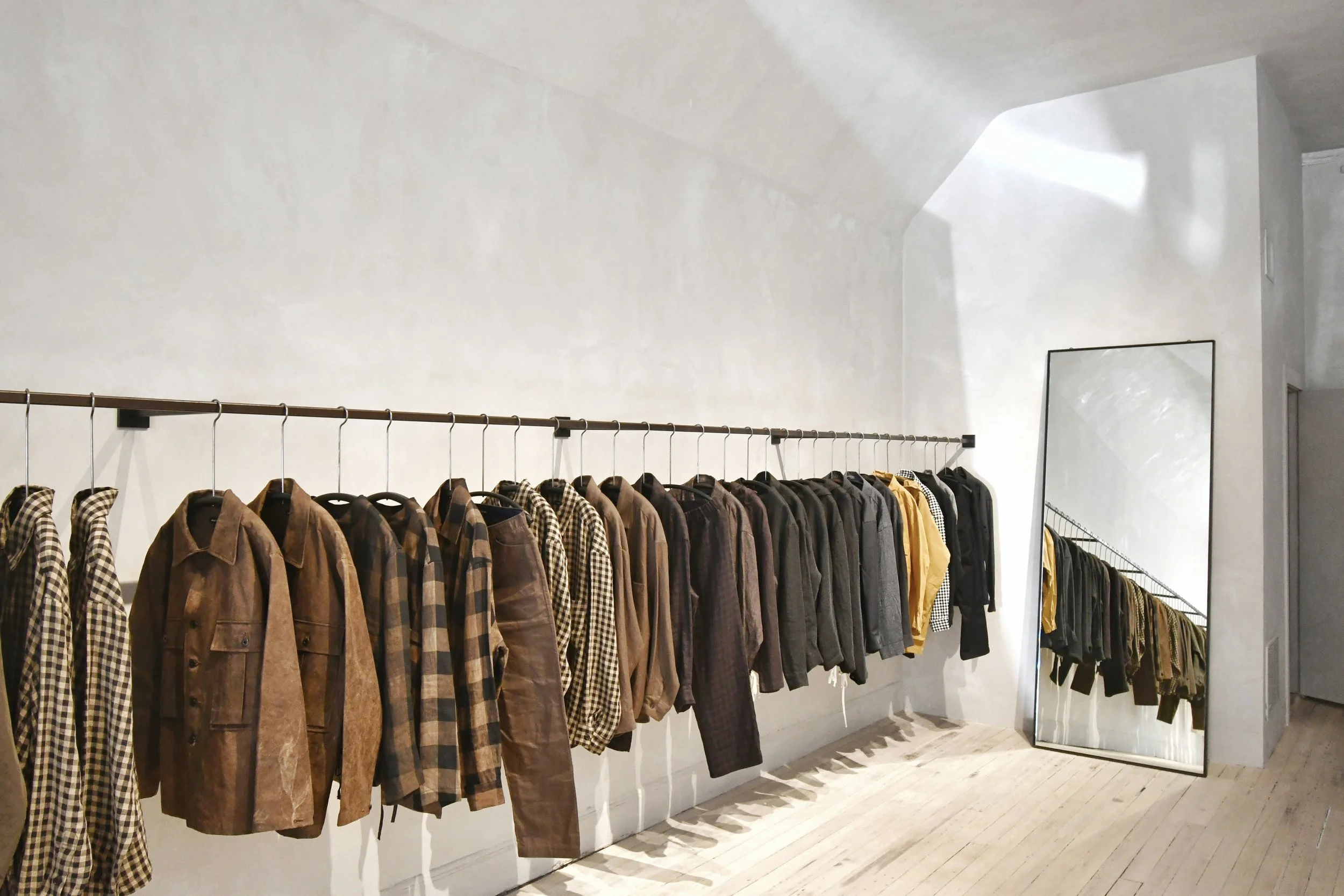
When we talk about a retail store's "concept," we can actually be talking about two closely related things.
There's the concept behind the business: the niche, lifestyle, customer or point of view that determines what the store sells.
Then there's the store design concept: the visual direction that determines what the physical space looks and feels like.
The strongest retail spaces connect the two.
Your store shouldn't have one idea on the shelves and another happening in the design. The products, layout, materials, fixtures, colours and atmosphere should feel like they belong to the same story.
Start With the Idea Behind Your Store
Before thinking about paint colours or display fixtures, you should be able to explain what makes your store different.
Some retailers build their businesses around a particular product category. Others build around a much more specific niche, lifestyle or customer.
Imagine a shop built around slow living. It might carry handmade ceramics, loose-leaf tea, linen textiles, candles and stationery. The products come from different categories, but they make sense together because they're all contributing to the same lifestyle.
That's what makes a niche powerful.
Instead of trying to sell a little bit of everything to everyone, you're creating a world for a particular customer.
Ask yourself:
What do we want to be known for? Who are we creating this store for? And what connects the things we sell?
The answers become the foundation for your store concept.
Turn Your Niche Into a Visual Direction
This is where the other meaning of "concept" comes in.
Once I understand what a retailer wants their store to represent, I can start asking: What should that idea look and feel like as a physical space?
Go back to our slow-living store.
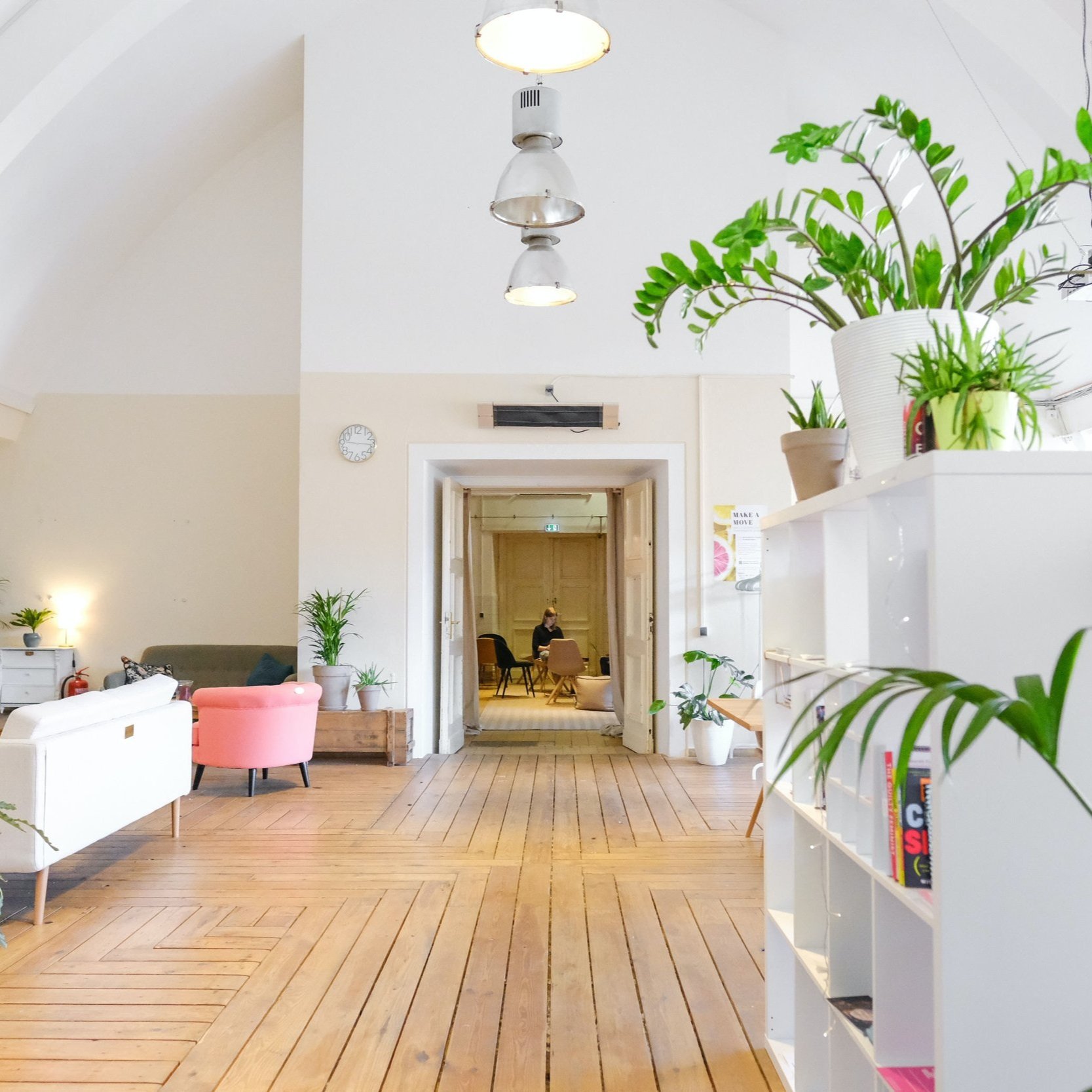
Its design might incorporate natural materials, warm lighting, softer colours and plenty of breathing room around products. Displays could feel collected rather than overly commercial.
Now imagine a beauty store focused on experimentation and self-expression. That could lead somewhere completely different like bolder colour, brighter lighting, interactive product areas, mirrors and displays that encourage customers to try things.
The niche doesn't dictate one particular design style. It gives you a direction to explore.
That's why I don't recommend starting a store design by saying, "I like this store I saw on Pinterest. Let's make mine look like that."
First understand why your store exists and who it's for. Then use inspiration to determine how that idea could be expressed visually.
Build a Concept Board
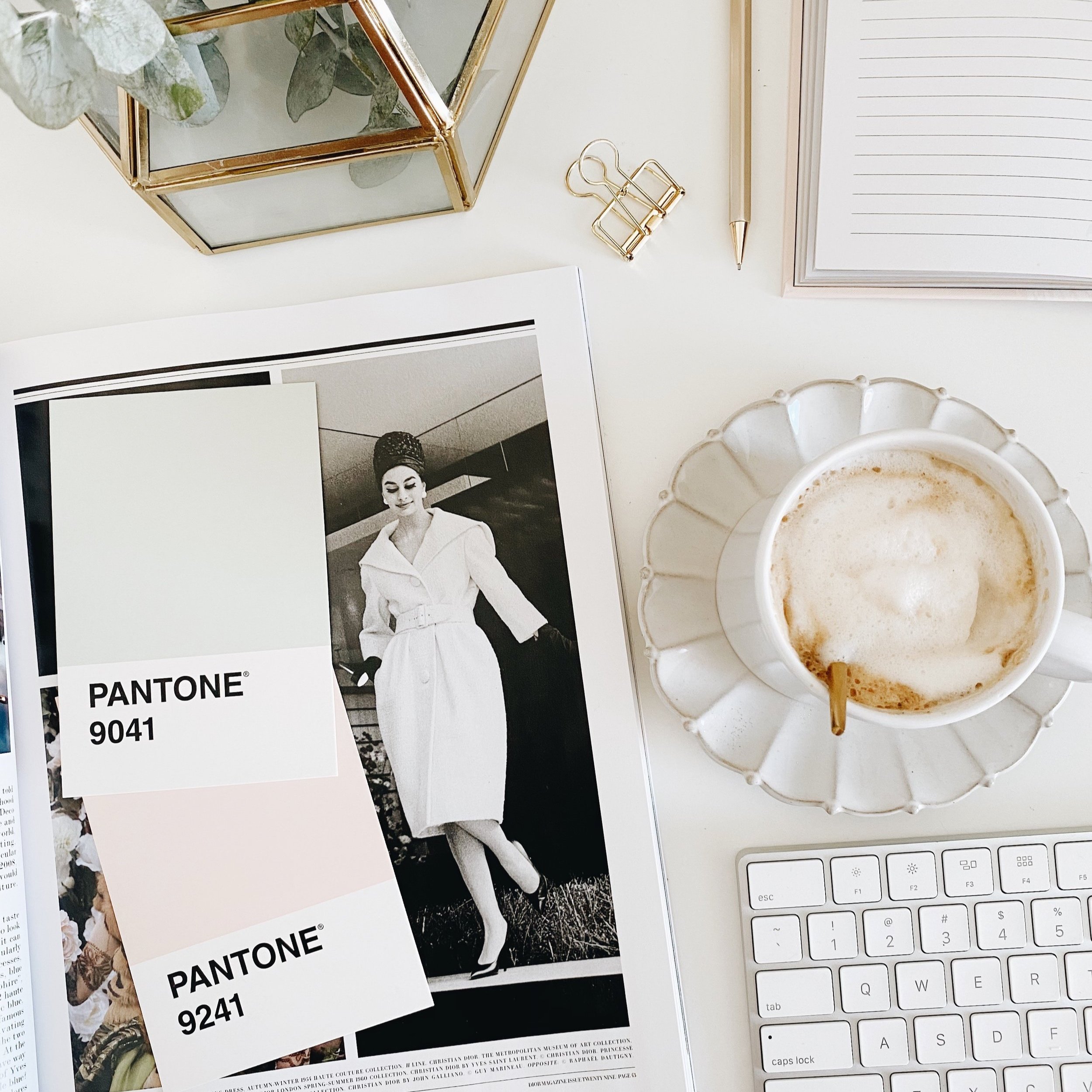
Once you have a direction, start collecting visual references.
Pinterest is useful here, but don't limit yourself to photographs of other retail stores. Look at interiors, materials, fashion, photography, packaging, architecture, artwork and even places that capture the feeling you're trying to create.
Then look for patterns.
Maybe you keep saving spaces with warm woods. Maybe there's a certain green appearing repeatedly. Maybe you're drawn to curved forms rather than sharp edges.
Don't just ask, Do I like this?
Ask, What do I like about it and does it make sense for my brand?
Those observations can start forming a concept board that guides decisions later in the design process.
Let the Concept Guide Your Fixtures and Materials
Once you've established the visual direction, use it as a filter.
Your shelving, checkout counter, display tables, flooring, lighting and finishes don't all have to match, but they should feel related.
This is where retailers can sometimes get sidetracked by individual pieces.
You find a gorgeous display table. Then a cool shelving unit. Then an inexpensive checkout desk. Individually, they're perfectly nice. Together? They may have absolutely nothing to say to one another.
Instead, refer back to your concept before purchasing major pieces.
Does this fixture belong in the world we're creating?
Our Curated Fixture Kits can also help if you're struggling to translate a design style into fixtures that work together.
Carry the Concept Into Your Visual Merchandising
The concept doesn't stop once the renovation is finished.
Your visual merchandising should continue the story.
Think about how products are grouped, which items are given prominence and what customers discover beside one another.
This is especially powerful for stores selling across multiple categories.
A lifestyle store doesn't necessarily need a rigid candle section, mug section, book section and textile section. A table could instead bring those categories together around an idea like Sunday morning, hosting friends or finding the perfect housewarming gift.
Now you're not just organizing inventory. You're helping customers imagine how the products fit into their lives.
Give Customers Something They Can't Get Everywhere Else
One of the advantages independent retailers have is the ability to be specific.
You don't have to appeal to everyone.
A clearly defined retail concept can help guide which brands you stock, which products you pass on, what your store looks like, how you merchandise and even the types of events you host.
That consistency is what starts making a store recognizable.
It doesn't mean the store can never change. Your assortment should evolve. Displays should change. Seasons come and go. Your design may eventually need a refresh.
But there should still be a thread running through all of it.
Before choosing the flooring, fixtures or perfect shade of paint, figure out the idea you're actually trying to bring to life.
The concept gives you the filter. The design gives that concept a physical form.